This article defines the Voluntary Carbon Market, explores its role in the startup ecosystem, compares it to compliance markets, and identifies key operational challenges for business owners.
This article defines Direct Ocean Capture, compares it to atmospheric capture, and explores the technical and economic challenges founders face when building in the emerging blue carbon sector.
This article explores geoengineering through the lens of startup development, detailing its primary mechanisms, the risks involved, and the unique challenges of building businesses in the climate intervention sector.
Carbon Capture and Storage is an industrial process that traps carbon dioxide at the source, transports it, and stores it deep underground to prevent it from entering the atmosphere.
This article explains the Clean Development Mechanism, a UN-led carbon offset scheme, and its implications for modern business owners navigating the complexities of environmental compliance and carbon markets.
Carbon farming involves agricultural practices designed to capture atmospheric carbon in soil and vegetation, offering new opportunities for climate-focused startups and land-based businesses.
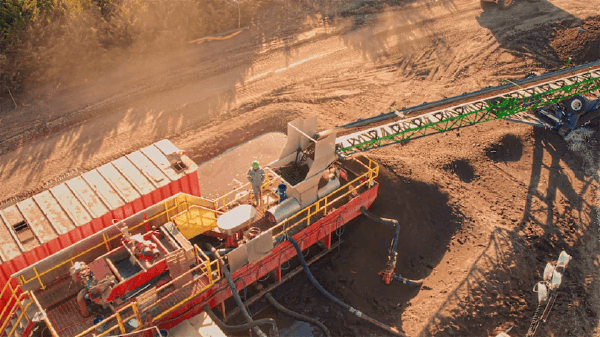
Vaulted Deep repurposes oil technology to inject organic waste underground for permanent carbon removal. We analyze their dual-sided market, logistical challenges, and bias toward action.
This article explains the Verified Carbon Standard, its role in the voluntary carbon market, and how startup founders can navigate carbon accounting and credits with practical, fluff free insights.
Cap and trade is a market-based regulatory system that limits total industrial emissions while allowing businesses to buy and sell permits to meet environmental compliance standards.
Blue carbon refers to carbon captured by coastal ecosystems, offering entrepreneurs unique opportunities in sequestration technology, restoration projects, and the evolving carbon credit market.
Article 6 creates a framework for international cooperation and carbon trading, establishing the rules for how countries and businesses exchange emissions reductions to meet global climate targets.
A carbon sink is any reservoir that absorbs more carbon than it releases. This guide explains its function, types, and relevance for founders building sustainable long term businesses.
This article defines Ocean Pasture Restoration as a geoengineering method and explores the technical, regulatory, and business hurdles for startups entering the blue carbon market.
CAFE regulations mandate fleet-wide fuel efficiency averages, influencing manufacturing costs, logistics strategies, and the market for regulatory credits in the United States automotive industry.
This article defines soil carbon sequestration and explores its mechanics, business applications, and the technical challenges founders face when building in the carbon removal and regenerative agriculture sectors.
This article defines ocean alkalinization, explains its chemical process, compares it to direct air capture, and outlines the significant logistical and verification hurdles facing startups in this emerging field.
Additionality ensures that carbon offset projects create environmental benefits that would not have occurred without the financial support provided by selling carbon credits.
Biochar is a carbon-rich material produced through the thermal decomposition of organic matter, offering founders opportunities in carbon removal, soil health, and industrial sustainable materials.
This article explains enteric fermentation as a biological process in ruminants and explores why this methane source is a critical focus for founders building in the climate technology space.